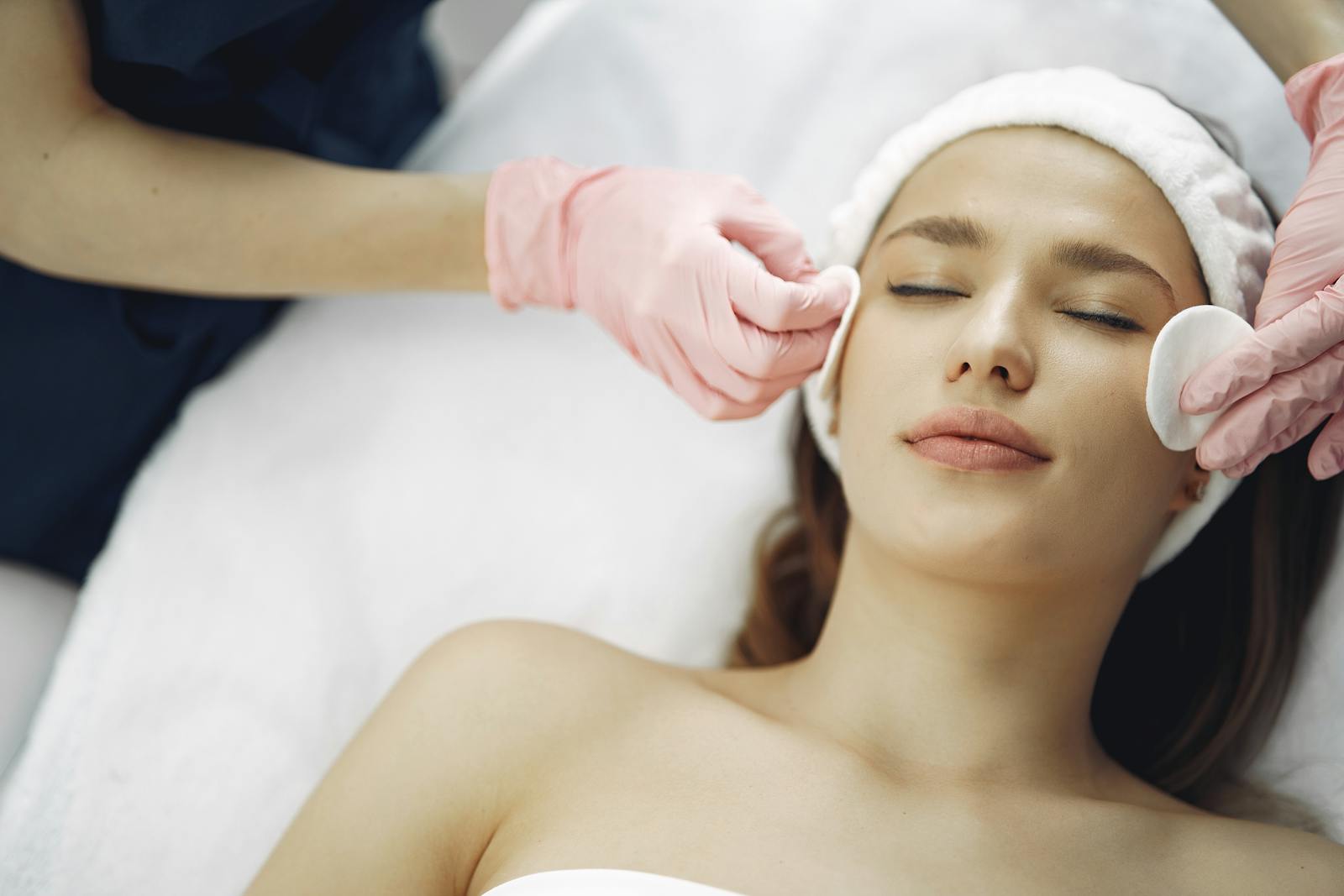
The way we approach self-care has fundamentally shifted. For a long time, skincare was divided into two distinct worlds. You either visited a traditional day spa for a relaxing afternoon facial, or you went to a clinical office to treat a specific medical condition. Today, advanced wellness is built on clinical science. True skin health requires an understanding of how your body functions at a cellular level, and how modern non-surgical treatments can support that natural process.
Our skin is our largest organ, and it is under constant pressure. The changing seasons bring environmental stressors like bitter winter winds that strip away lipids, and intense summer ultraviolet radiation that damages DNA. These factors accelerate the natural aging process, leading to a loss of structural integrity, fine lines, and uneven pigment.
When you choose to invest your time, money, and trust into clinical aesthetic procedures, making an informed choice is essential. This guide serves as an educational framework to help you understand the biological processes behind aging, what to look for in a clinical facility, and how modern treatments work to restore your skin barrier from the inside out.
The Biology of Skin Aging and Repair
To understand how medical spa treatments work, it helps to look at the structural anatomy of the skin. The skin is made up of distinct layers, primarily the outer epidermis and the deeper dermis underneath.
The Dynamic Duo: Collagen and Elastin
The dermis acts as the support structural matrix of your face. It is made up mostly of two vital proteins:
- Collagen: This protein gives your skin its strength, firmness, and structural support. It acts like the framework of a house.
- Elastin: This protein provides elasticity, allowing your skin to stretch and snap back into place immediately.
As we reach our mid-twenties, our bodies naturally begin to produce about one percent less collagen every single year. At the same time, environmental factors like sun exposure break down existing elastin fibers. This biological slowdown is what eventually causes the skin to sag, thins out the tissue, and allows fine wrinkles to form.
Understanding Cellular Turnover
The epidermis is constantly renewing itself through a process called cellular turnover. Young, healthy skin cells are created in the deepest layer of the epidermis and travel up to the surface over a cycle of roughly twenty-eight days, where the old cells naturally shed.
As time goes on, this cycle slows down significantly, often taking forty-five to sixty days. When dead skin cells linger on the surface for too long, they block light reflection, making the complexion look dull, dry, and rough in texture.
What to Look For in a Qualified Medical Spa
Because aesthetic procedures involve advanced prescription-strength active formulas, medical-grade lasers, and deep cosmetic injections, a medical spa must operate with the exact same precision as a traditional medical clinic.
When you evaluate a wellness center, look past the beautiful waiting rooms and verify these essential pillars of safety and education.
On-Site Medical Leadership
A reputable medical spa must have an active, licensed medical director. This is typically a board-certified physician or an advanced nurse practitioner who directly establishes the clinical protocols, evaluates safety metrics, and trains the staff. The medical director ensures that every treatment is backed by clinical data and performed safely.
Licensed Clinical Practitioners
Every individual handling advanced equipment or administering injections must hold a valid professional license. Your treatments should be performed by registered nurses, nurse practitioners, or licensed medical estheticians who specialize strictly in advanced aesthetics. Do not hesitate to ask your provider about their specific credentials and ongoing medical education.
Comprehensive Diagnostic Consultations
An exceptional clinic will never recommend a treatment without a thorough investigation. A professional practitioner will always sit down with you to perform a visual skin assessment, review your complete medical history, discuss your current lifestyle, and explain the precise science behind their recommendations. Education should always come before any treatment plan.
Advanced Aesthetic Services and How They Work
Modern aesthetic treatments do not simply mask imperfections. Instead, they work by triggering your body's natural healing and cellular repair systems.
Precision Injectables and Facial Anatomy
Cosmetic injectables are highly effective because they target the deeper anatomical layers of the face without requiring surgical incisions.
Neuromodulators (Botox and Dysport)
Every time you make a facial expression, your muscles contract, pulling the overlying skin together. Over decades, these repeated movements create permanent lines. Neuromodulators work by safely blocking the chemical signals between nerves and targeted muscles. By relaxing these specific muscles gently, the overlying skin remains smooth, allowing existing lines to fade and preventing new wrinkles from forming.
Hyaluronic Acid Dermal Fillers
As we age, we naturally lose fat and bone volume in our face, which causes the skin to droop. Dermal fillers utilize hyaluronic acid, a naturally occurring sugar molecule that binds tightly with water in your body. When precisely placed, fillers restore lost structural volume, lifting the tissue and smoothing deep folds naturally.
Chemical Exfoliation and Resurfacing
When over-the-counter products are not strong enough to fix deep texture issues or stubborn dark spots, professional resurfacing treatments can force the skin to renew itself.
Medical-Grade Chemical Peels
This treatment involves applying a controlled acid solution—such as alpha-hydroxy or beta-hydroxy acids—to the skin. This solution lowers the pH of the surface, breaking the cellular bonds holding dead skin cells together. As the old, damaged layer exfoliates away over the following days, it forces the body to speed up its cellular turnover, bringing fresh, evenly pigmented cells to the surface.
Microneedling Therapy
Also known as collagen induction therapy, microneedling utilizes a professional device with sterile, micro-fine needles to create thousands of precise, microscopic channels in the skin. These tiny channels do not leave scars. Instead, they fool your body into thinking an injury has occurred, which triggers a massive rush of growth factors and a rapid production of brand-new collagen and elastin.
Laser and Light Energy
Laser technology allows practitioners to treat deep skin concerns with absolute precision, targeting specific colors or layers of tissue without harming the surrounding skin.
Laser Skin Rejuvenation
Advanced laser devices send focused wavelengths of light energy deep into the skin, where it converts into controlled heat. This thermal energy targets sun damage, clears away broken capillaries, and stimulates deeper collagen remodeling to improve overall firmness and skin clarity.
Laser Hair Removal
This procedure utilizes a specific light wavelength that is highly absorbed by the melanin pigment inside the hair follicle. The light energy travels down the hair shaft and converts into heat, safely damaging the follicle mechanism to stop future hair growth permanently without irritating the surrounding skin barrier.
Deep Dive into Highly Searched Skincare Topics
Making the best decisions for your skin requires clear, factual knowledge. Let us explore the medical science behind the most frequently searched aesthetic concerns.
The Mechanisms behind Hyperpigmentation and Dark Spots
Hyperpigmentation is a common condition where certain patches of skin become noticeably darker than the surrounding areas. This occurs when specialized cells called melanocytes produce an excess of melanin, the pigment that gives skin its color. This overproduction is usually triggered by three main factors:
- Ultraviolet (UV) Exposure: The sun acts as a direct trigger, forcing melanocytes to create pigment as a defense mechanism to protect your cells.
- Hormonal Fluctuations: Shifts in estrogen and progesterone can trigger a specific type of dark patch known as melasma.
- Post-Inflammatory Hyperpigmentation: This happens when an injury or inflammation, such as an acne breakout, causes the skin to produce excess pigment during the healing process.
Treating hyperpigmentation requires a dual approach. First, you must use professional treatments like chemical peels or laser therapy to exfoliate existing surface pigment. Second, you must use daily tyrosinase inhibitors, such as vitamin C or kojic acid, to calm the melanocytes and prevent new dark spots from forming.
| Treatment Type | Primary Target Layer | Main Benefit | Expected Recovery Time |
|---|---|---|---|
| Neuromodulators | Facial Muscles | Smooths expression lines | None (Immediate return to activities) |
| Dermal Fillers | Deep Subcutaneous / Bone | Restores lost facial volume | 24 to 48 hours (Minor swelling) |
| Chemical Peels | Epidermis (Surface) | Fades dark spots and brightens | 3 to 7 days (Light flaking) |
| Microneedling | Dermis (Deep Layer) | Fades scars and builds collagen | 24 to 48 hours (Mild redness) |
The Evolution of Full Facial Balancing
A significant advancement in modern aesthetic medicine is the move away from treating isolated wrinkles and moving toward comprehensive facial balancing. In the past, providers simply injected filler directly into a single line, which could sometimes look heavy or unnatural.
Today, expert injectors evaluate the entire face as an interconnected structural unit. They look closely at how your chin, jawline, cheeks, and lips balance against one another. By placing small, precise quantities of filler across these strategic areas, they restore full skeletal and muscular harmony, giving you a naturally refreshed appearance that respects your unique identity.
Constructing an Effective Home Care System
While advanced medical spa treatments provide powerful corrective results, your daily habits at home form the foundation of your long-term success. A simple, scientifically sound home routine protects your skin and prolongs the benefits of your professional treatments.
Step 1: Gentle and Thorough Cleansing
A high-quality routine begins with cleansing your skin every morning and evening. This removes environmental pollution, heavy makeup, and excess sebum that can clog pores and induce inflammatory aging. Use a balanced, sulfate-free cleanser that respects your natural lipid barrier.
Step 2: Targeted Active Serums
Serums contain concentrated amounts of active molecules designed to penetrate deep into the skin. In the morning, use a vitamin C serum. This powerful antioxidant neutralizes free radicals caused by pollution and boosts your sun protection. In the evening, introduce a retinoid product to speed up cellular turnover and maximize collagen production while you sleep.
Step 3: Hydration and Barrier Support
Apply a well-formulated moisturizer to seal in hydration. Look for ingredients like ceramides, fatty acids, and hyaluronic acid. These compounds mimic the natural fats found in your skin barrier, locking in water and keeping environmental irritants out.
Step 4: Strict Broad Spectrum Protection
This is the single most critical step in any skincare system. Ultraviolet radiation is responsible for up to ninety percent of all visible skin aging. Apply a broad-spectrum sunscreen with an SPF of 30 or higher every single morning, even during cloudy winter days. UV rays pass through windows easily, making daily defense absolutely necessary to protect your skin cells.
Your Educational Path to Lasting Skin Wellness
Beginning an aesthetic journey should feel completely clear, welcoming, and organized. When you work with a professional, educational team, you are an active partner in your own care.
Reserve your educational consultation
Takes less than 5 minutes. Contact your preferred medical aesthetics facility online or by phone to set up an in-depth skin analysis.
Document your current products
Complete this at home. Take photos or write down the names of all skincare products and supplements you use daily so your provider can review them.
Review your custom treatment blueprint
At the clinical center. Meet with your licensed practitioner for a comprehensive visual evaluation and map out a safe treatment plan tailored to your goals.